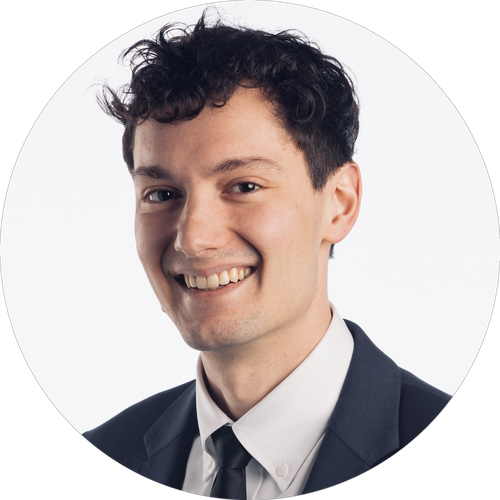
Luke Childress
FOUNDER, LABHACK
FOUNDER, LABHACK
Every lab I've worked in has had the same quiet problem: the instruments got faster, the plates got denser, and the number of samples a single person could reasonably process by hand stayed exactly the same. Somewhere between the plate reader and the paper, a huge amount of good data goes to die in a spreadsheet nobody has time to double-check.
I'm a biomedical device R&D engineer by training — mechanical and performance testing, statistical design of experiments, and enough time inside FDA design-controls documentation to know exactly how unforgiving "the data has to be right" actually is. That combination turned out to be the useful one: I understand the science well enough to know what a result should look like, and I understand process rigor well enough to build a tool that a reviewer, not just a labmate, would trust.
LabHack exists because I kept building these tools for myself — a stress-strain analyzer here, a permeability calculator there — and kept noticing that every lab around me had its own version of the same manual bottleneck. In a high-throughput world, the labs that win aren't the ones that work harder by hand; they're the ones that spend an afternoon automating the part that shouldn't have needed a person in the first place. That's the whole job here: fewer hands on the data, more hands on the actual science.
Mechanical testing, statistics, and design of experiments as the daily toolkit, not a class you took once.
Design verification, custom fixtures, and enough regulatory exposure to respect a well-documented calculation.
Every recurring manual analysis became a script, then a proper interface, then something a labmate could use without me in the room.
Now building that same kind of tool for other labs and CROs — and advising on where automation is actually worth the afternoon.